Life stage, preferences, access to food, culture, traditions, and personal decisions – all of these factors have an impact on the food choices we make. But outside influences aside, we must remember that everything we eat and drink matters. The secret to making better choices? Focus on food variety, amount, and nutritional quality.
 Green Foods: These are foods to choose often throughout the day. They are low in saturated fat, sodium and sugar and promote overall health.
Examples include: All fresh fruits and vegetables, whole eggs, lean cuts of animal proteins, plant-based proteins, whole grain products such as bread, tortillas, brown rice, oatmeal, low fat and fat-free milk products, plain water, plain coffee, and unsweetened tea.
Yellow Foods: These are foods to choose occasionally. They have medium levels of fat, sodium and sugar. They can contribute to good health.
Examples include: 100% fruit juice, regular “white” bread, flour, pasta, tortillas, white rice, and whole milk, diet soft drinks.
Red Foods: These are foods to choose rarely or only on special occasions. They have high levels of fat, sodium or sugar. They provide only limited health benefits.
Examples include: Desserts such as ice cream, cookies, cake, candy, most processed/packaged snacks, regular soda, non-100% juice drinks with added sugar, baked goods and fried foods.
The Chronic Disease Prevention Program is working with food pantries in Southern Nevada to implement the SWAP program. The SWAP program is a nutrition ranking system designed to help promote healthy food choices at food banks and food pantries. If you’re interested in implementing SWAP at your food pantry, please contact us at: gethealthy@snhd.org
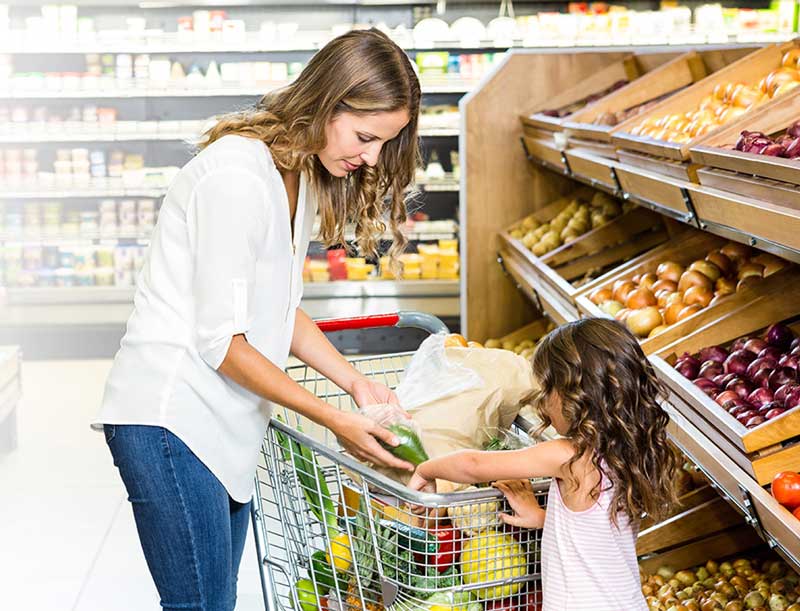
The grocery store can be a tricky place to navigate. Here are a few ways to make smarter decisions down the aisles:
It takes a few minutes, but saves time spent running back to the store for missing ingredients. Check out our Get Healthy Recipes for new meal ideas.
Create an inventory so you know what you have on hand. Our Healthy Pantry Guide lists some staples you’ll need to whip up a healthy meal, anytime.
This makes shopping trips more efficient and prevents impulse buying. The Healthy Shopping List is a convenient way to organize what you need.
Fresh fruits, vegetables, dairy, meat, and fish are usually located on the outer edges of the store. Avoid the center aisles where junk food lurks.
An empty stomach can lead to unhealthy impulse buys.
Check food labels to compare nutritional values of products and make healthy choices.
Check out our virtual grocery store tours.
Would you sit down and eat 10 teaspoons of sugar? If you drink a 12 oz. can of regular soda, you might as well be. Sugary beverages such as sodas, sports drinks, sweetened coffee, energy drinks and even sweetened teas and fruit juices when overly consumed can lead to weight gain, tooth decay and osteoporosis.
The Southern Nevada Health District is kicking off its annual Soda Free Summer Challenge designed to inspire you to make a lasting commitment to health by reducing or eliminating your intake of added sugar from the consumption of sweetened beverages during the summer months.
Visit our community calendar for dates and times of community events to sign up for the Soda Free Summer Challenge.
Did you know that the single largest source of calories in children’s diets are sugary drinks? According to the Robert Wood Johnson Foundation, about 60% of American children and adolescents consume sugary beverages every day, and almost half of children between the ages 2 and 4 drink sugary beverages daily. Many parents are led to believe that fruit drinks and toddler milks are healthy beverages for their children, but child health experts do not recommend serving these sugary drinks to young children because they increase the child’s risk of weight gain, tooth decay, and preventable chronic diseases such as diabetes. Water and plain milk are the only drinks experts say toddlers need for a healthy diet. To learn more and help spread the word click here (videos available in English and Spanish).
Here are some other resources to help you make healthy beverage choices for your children:
Healthy Drinks Healthy Kids Infographic
All about Low-Calorie Sweetened Drinks
Sweeteners that add calories to a beverage go by many different names and are not always obvious. Some common caloric sweeteners are listed below. If these appear in the ingredients list of your favorite beverage, you are drinking a sugary beverage.
Be a role model for your friends and family by choosing healthy, low-calorie beverages like:
Add citrus or sliced cucumbers to your water. Try some of these great flavored water recipes as well to mix it up a bit!
Sweet, full of vitamins and counts as a serving of fruit.
Packed with flavor; high in vitamins C, A, and potassium and around 50 calories per cup.
High in calcium and protein—and you need both. You could also try soy milk, rice milk or almond milk.
Creamy and sweet, high in calcium and only about 170 calories per cup.
Get a boost on less than five calories per cup, plus it’s high in antioxidants.
Download our Sugary Beverage Fact Sheet to learn more.

Most Americans eat too much sodium (salt) without even knowing it. The average adult consumes about 3,400 mg/day which is much higher than the recommended 2,300 mg. Too much sodium can increase your blood pressure and your risk for a heart attack and stroke.
Adults, in general, should consume no more than 2,300 mg/day. However, if you are in one of the following groups, you should consume no more than 1,500 mg/day:
Americans’ sodium intake breaks down like this:
Even if you never use the salt shaker, you’re probably getting too much sodium. Look for sodium content on all food labels, but especially on these common products:
Try fresh or dried herbs, spices, vinegar, and citrus to season your foods instead of salt. The CDC has tips to increase flavor without using salt.
Fresh or frozen fruits, vegetables, and meats are naturally lower in sodium than canned foods. Join our Nutrition Challenge to increase your fruit and vegetable intake.
When you cook your own food, you control how much salt you add. Try these low sodium recipes the Million Hearts Program.
Gradually cut back on the amount of salt you add to your food. Your taste buds will adjust and you may even prefer less salt.
If you buy canned foods, check the label and pick foods with the lowest level of sodium. Rinse canned goods before using to remove additional sodium.
Always make sure to read food labels so you know exactly how much sodium is in the product you are buying.
