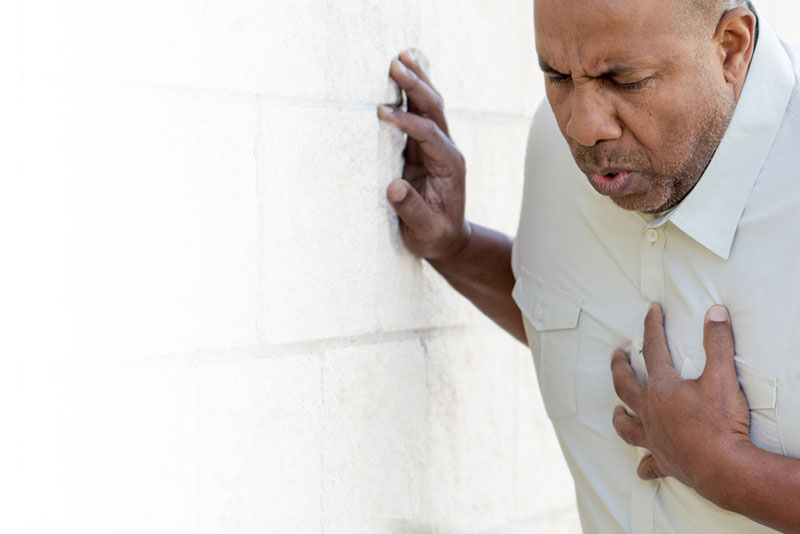
Heart disease is the leading cause of a heart attack and one of several cardiovascular diseases affecting the heart and blood vessel system. Symptoms vary based on the type of heart disease you have. Visit the American Heart Association website for a complete list of conditions and prevention tips.
Adopting healthy lifestyle habits keeps your heart healthy and lowers your risk for heart disease. Here are eight steps to get you started:


To learn more about heart disease visit the American Heart Association or the Nevada Wellness website.
Heart disease and stroke are the first and fifth leading causes of death in the United States. Every 43 seconds, someone in the U.S. has a heart attack, and every 4 minutes, someone dies from a stroke. Million Hearts® is a national initiative with an ambitious goal to prevent 1 million heart attacks and strokes by 2027.
We can all do our part in prevention by following the ABC’S of heart disease and stroke:
Ask your doctor if aspirin will reduce your risk for heart attacks.
Arm yourself with the knowledge you’ll need to manage high blood pressure. The American Heart Association is a great resource.
It’s always good to monitor your cholesterol numbers and work with your doctor to reduce your risk for heart attack and stroke.
Smokers have twice the risk of heart attack as nonsmokers. Once you quit smoking, your risk for heart attack and stroke declines each year thereafter.
Find more national resources on the Million Hearts website. 

In the United States, an estimated 44% of black men are diagnosed with some form of cardiovascular disease. Black men also have an increased risk of stroke. To empower black men to adopt healthier lifestyle choices and reduce their risk for heart disease and stroke we have partnered with ten black-owned barbershops to create the Barbershop Health Outreach Project (BSHOP).
Participating barbershops offer outreach and education including free blood pressure screenings, health education, and referrals to healthcare providers for those uninsured or without a medical home. Participating barbershops are:
If you are interested in learning more or getting involved, please contact Amineh Harvey at (702) 759-0790 or email harveya@snhd.org.
For more information on where to get your blood pressure checked, please check our Community Calendar.
BSHOP Outcome data from July 2024 – June 2025
Volunteers Wanted
The Barbershop Outreach Project is seeking volunteers to participate in our heart health initiative, measuring blood pressure and providing education in Las Vegas’ barbershop community. Our ideal volunteers will be:
For more information email harveya@snhd.org.

Cardiovascular diseases, like heart disease and stroke, kill nearly 50,000 African-American women every year. Also, important to note, African-American women are less likely than Caucasian women to be aware that heart disease is the leading cause of death.
Here are a few unsettling stats:
To empower black women to adopt healthier lifestyle choices and reduce their risk for heart disease and stroke we have partnered with beauty shops to create the Beauty Shop Health Outreach Project (BeSHOP). Beauty shops will offer outreach and education including free blood pressure screenings, health education, and referrals to healthcare providers for those uninsured or without a medical home.
Participating Beauty Salons are:
BeSHOP Outcome data from July 2024 – June 2025
If you are interested in learning more or getting involved, please contact Amineh Harvey at (702) 759-0790 or email harveya@snhd.org.
For more information on where to get your blood pressure checked, please check our Community Calendar.
