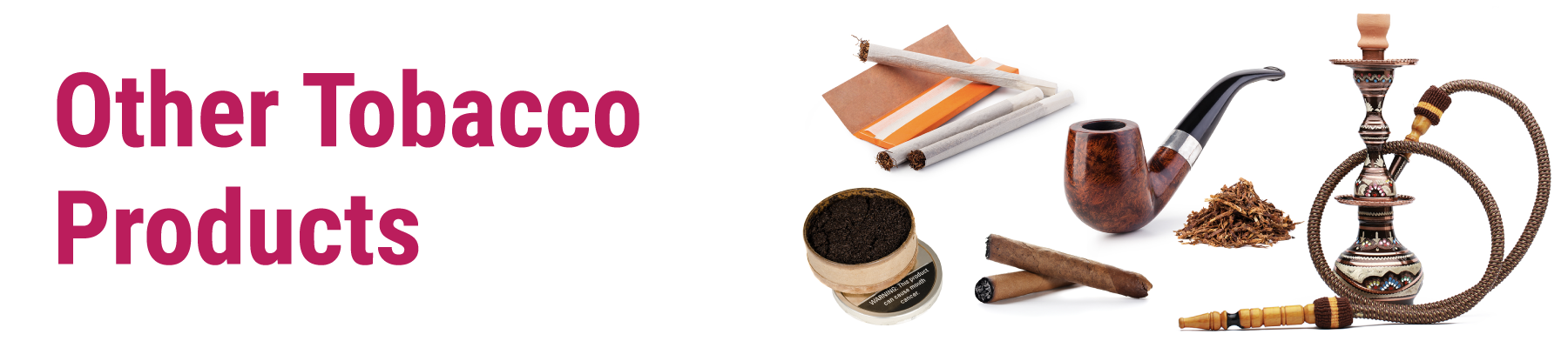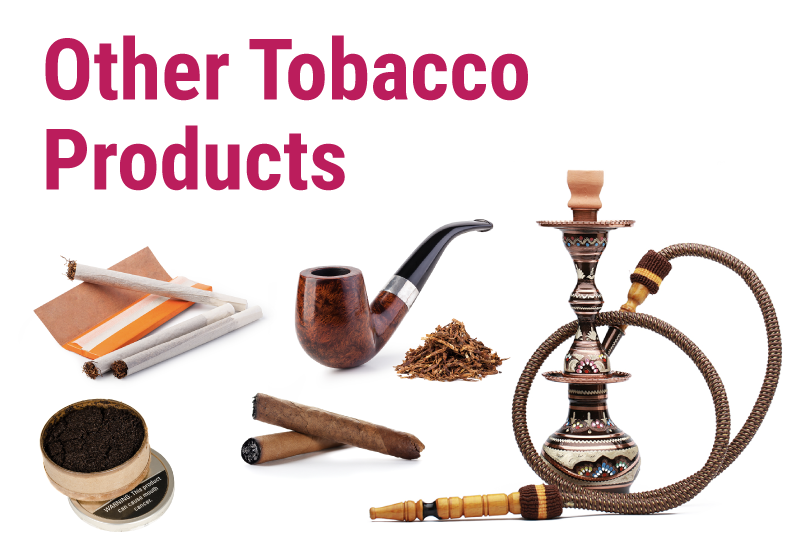
Cigarettes are the most produced and widely used tobacco products worldwide. However, many people also use other tobacco products (OTPs). As global influences spread, certain forms of tobacco once unique to specific cultures or regions are now becoming popular in other countries. While these cultural tobacco products can gain widespread acceptance, they rarely surpass cigarettes in overall use. Here are a few examples of OTPs used around the world.

Betel quid with tobacco, known as “gutka,” is a popular form of chewing tobacco in India, Pakistan, and Bangladesh. It typically contains a mixture of tobacco, crushed areca nut (betel nut), spices, and other ingredients. In Southeast Asia, a tobacco-free version, often used for its blend of spices, is also widely popular.
Though not monitored in the United States, betel quid is commonly used in other regions. It’s consumed by placing a pinch between the gum and cheek, where it is either sucked or chewed. The excess saliva produced can be either swallowed or spit out.
Betel quid use has been linked to several health risks, including:

Bidis are small, thin hand-rolled cigarettes mainly from India and Southeast Asia. They have higher toxin levels because users must puff harder to keep them lit. Kreteks, also known as clove cigarettes, are imported from Indonesia and contain a blend of tobacco, cloves, and other additives, which allows for deeper inhalation compared to commercial cigarettes.
Research on the health effects of bidi and kretek smoking has primarily been conducted in India and Indonesia. Studies show that bidi smoking carries similar risks to cigarette smoking, including a higher likelihood of lung, oral, stomach, and esophageal cancers, as well as an increased risk of coronary heart disease, heart attacks, and chronic bronchitis. In Indonesia, kretek smokers face a 13 to 20 times greater risk of abnormal lung function and a higher risk of acute lung injury, particularly among those with respiratory issues.

Large cigars, cigarillos, and little cigars are the three main types of cigars sold in the United States. These tobacco products come in various shapes and sizes and are made by rolling tobacco in a leaf or another substance that contains tobacco. Although cigar use has historically been more common among older men, it has increased among adolescents, especially those who use other tobacco products or drugs. According to the CDC, in 2023, cigars were the third most commonly used tobacco product among U.S. middle and high school students, with flavored cigars being particularly popular.
Cigars, cigarillos, and little cigars contain the same toxic ingredients as cigarettes, including nicotine, making them just as addictive and harmful. Regular cigar smoking is linked to a higher risk of cancers in the lung, esophagus, larynx (voice box), and oral cavity (lip, tongue, mouth, throat). It is also associated with gum disease and tooth loss. Heavy cigar smoking, especially when the smoke is inhaled deeply, can increase the risk of developing coronary heart disease, emphysema, and chronic bronchitis.

Dissolvable tobacco products, including lozenges, strips, and sticks, dissolve in the mouth without the need to be spit out or discarded. Unlike cigarettes and cigars, they are not meant to be heated or burned. These products can be made with or without tobacco and are classified as smokeless tobacco if they contain cut, ground, powdered, or leaf tobacco. They also contain nicotine and often include fillers, sweeteners, and flavors.
Dissolvable and smokeless tobacco products can lead to nicotine addiction and are linked to serious health risks. They can cause cancers of the mouth, esophagus, and pancreas and are associated with mouth diseases like leukoplakia and cancers of the oral cavity, pharynx, and larynx. These products can also elevate the risk of death from heart disease and stroke. Using them during pregnancy increases the risk of early delivery and stillbirth, and they can cause nicotine poisoning in children.
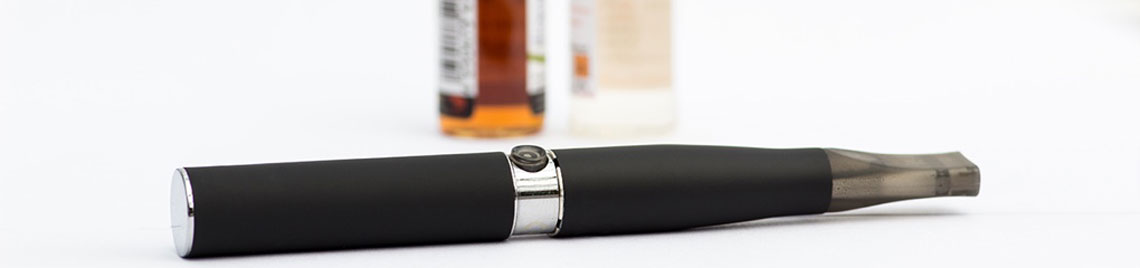
E-cigarettes, sometimes called e-cigs, vapes, vape pens, or electronic nicotine delivery systems (ENDS), are battery-operated devices that heat a liquid to produce an aerosol. They typically include a battery, a vaporizer or atomizer, and a cartridge with a mouthpiece. When a user puffs on the mouthpiece, the battery activates, causing the e-cigarette tip to glow and the liquid nicotine to be vaporized into an aerosol, which contains liquid, flavorings, and nicotine.
The e-cigarette aerosol can be inhaled and exhaled by the user, creating a cloud that resembles cigarette smoke. This aerosol is NOT harmless “water vapor”; it can contain potentially harmful substances, including nicotine, cancer-causing chemicals, heavy metals (such as nickel, tin, and lead), tiny particles that can be inhaled deep into the lungs, volatile organic compounds, and flavorings. These toxic substances can also be inhaled by bystanders. It’s difficult to determine the exact substances in e-cigarettes. For example, some e-cigarettes marketed as containing zero percent nicotine have been found to contain nicotine, and many contain nicotine salts.
E-cigarettes often come in bright colors and are available in flavors that appeal to young people, such as fruit, candy, menthol, and mint, as well as flavorings like diacetyl, a chemical linked to serious lung disease. To learn more about flavored tobacco products and how they are marketed to youth, visit Attracting Addiction.
E-cigarettes come in various shapes and sizes. Most have a battery, a heating element, and a place to hold liquid. There are different types of e-cigarettes, including disposable devices, refillable devices, and devices with pre-filled cartridges or pods:
E-cigarettes with pre-filled cartridges or pods are rechargeable and intended for reuse.
In 2009, the FDA found that e-cigarette cartridges from two leading brands contained detectable levels of known carcinogens and toxic chemicals, including diethylene glycol (commonly found in antifreeze) and nitrosamines. The study also revealed inconsistent nicotine levels in the same products, with some labeled as “no nicotine” still containing trace amounts.
E-cigarettes and nicotine containers pose serious poisoning risks to children and pets. Between 2011 and 2016, Nevada received 123 calls related to e-cigarette poisonings, 65% of which involved children under the age of 5.
No vapor product has been approved by the U.S. Food and Drug Administration as less harmful, despite industry claims. Ventilation experts advise against indoor e-cigarette use due to the chemicals in the aerosol.
Research from Nevada’s Desert Research Institute (2016-2018) found that e-cig vapors contain significant amounts of cancer-causing chemicals and harmful aldehydes, posing health risks through both secondhand and thirdhand exposure.

Nicotine pouches are small packets filled with nicotine, flavorings, and other ingredients that are placed between the lip and gum. The nicotine is absorbed through the mouth, and the pouches dissolve without requiring spitting. They come in a variety of flavors and nicotine strengths, and are often marketed as “tobacco-free,” even though many contain nicotine derived from tobacco. The FDA has not approved nicotine pouches as a method to quit smoking.
Nicotine pouches are not safe, especially for youth, young adults, and pregnant women. Nicotine is highly addictive, can harm brain development, and impact attention, learning, mood, and impulse control in young people. Use of nicotine products can also increase the risk of long-term addiction and other health problems.
Heated tobacco products (HTPs), or “heat-not-burn” products, use electronic heating elements to warm processed tobacco leaves (in a stick, plug, or capsule form) into an aerosol that is inhaled and delivers nicotine to the lungs. Unlike e-cigarettes or traditional cigarettes, HTPs heat tobacco without using a flame or fire. Some HTPs heat liquids to create flavored nicotine, while others can heat loose tobacco or marijuana.
Although HTPs do not use a flame, they still produce nicotine and harmful chemicals found in cigarettes, along with some unique to HTPs. Nicotine from HTPs is highly addictive, can harm adolescent brain development, and is toxic to developing fetuses.
Secondhand emissions from HTPs also pose risks, exposing bystanders to similar dangers as secondhand smoke from commercial tobacco products. More research is needed to understand the health effects of HTPs and their emissions.

Originating in ancient Persia and India, hookahs are water pipes used to smoke flavored tobacco in varieties like apple, mint, cherry, chocolate, and watermelon. Hookahs have become particularly popular among urban youth, young professionals, and college students. Despite the common misconception that they are less harmful, hookah smoking carries many of the same health risks as cigarettes. A modern hookah typically consists of a head, metal body, water bowl, and a flexible hose with a mouthpiece. Recently, electronic hookah products, such as steam stones and hookah pens, have been introduced. These battery-powered devices turn liquids containing nicotine, flavorings, and other chemicals into inhalable aerosol.
Using a hookah to smoke tobacco poses significant health risks. Despite the misconception that it’s less harmful, hookah smoke contains harmful substances similar to those in cigarette smoke, including nicotine, tar, and heavy metals. The charcoal used to heat the tobacco adds to the risks by producing carbon monoxide, metals, and cancer-causing chemicals.
Hookah smoking is linked to cancers of the lung, bladder, and oral cavity, as well as heart disease and respiratory issues in babies born to hookah users. The process of smoking hookah can expose users to up to 200 times more smoke than a single cigarette and increase exposure to carbon monoxide and nicotine. Both the smoke and the charcoal used in hookahs are toxic, affecting both smokers and bystanders.
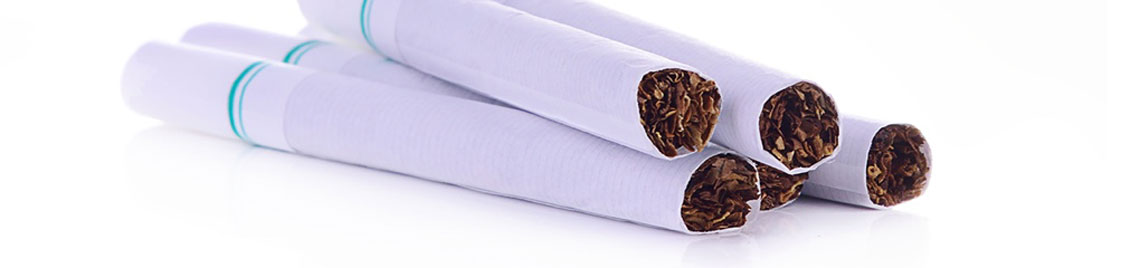
Low-yield cigarettes, labeled “light,” “low,” “mild,” or “low tar,” were once marketed as safer alternatives to regular or “full-flavor” cigarettes. Many smokers chose these, believing they were less harmful, but there is no strong scientific evidence to support this belief. The Family Smoking Prevention and Tobacco Control Act of 2009 now bans the sale and distribution of tobacco products with such labels.
There is no such thing as a safe cigarette. Low-yield cigarettes pose the same serious health risks as regular cigarettes. The only proven way to reduce the risk of smoking-related diseases is to quit smoking altogether.

Tobacco pipes typically feature a small bowl or chamber where loose leaf tobacco is burned. This bowl is connected to a stem and mouthpiece through which the smoke is inhaled.
Pipes pose many of the same health risks as cigarette smoking, including cancers of the oral cavity, throat, lung, and tongue, as well as emphysema and dental issues.

Smokeless (“spit”) tobacco use is a growing public health concern. As smoke-free laws limit indoor cigarette smoking, some people are turning to smokeless tobacco, wrongly believing it’s safer.
In the U.S., common smokeless tobacco products include:
Despite not producing smoke, smokeless tobacco products are still harmful and carry risks similar to those of both combustible and electronic tobacco products. They can lead to nicotine addiction and increase the risk of cancers in the mouth, esophagus, oral cavity, and pancreas. Additionally, these products can elevate the risk of heart disease and stroke, cause pregnancy complications like early delivery and stillbirth, and pose a serious risk of nicotine poisoning in children.